How to Prepare Before Hiring a Desentupidora in Itatiba
Before you call a desentupidora Itatiba, the fastest way to get a correct quote and a quick fix is to prepare three things: a clear description of the symptom, safe access to the affected drain or tank, and a basic idea of what the property’s plumbing allows. In practice, most delays come from missing information, not from the clog itself. Below are the problems I see most often on support tickets, each with the fix that gets the job moving.
Problem: You describe the symptom as “it’s clogged”
“Clogged” can mean a slow sink, a gurgling toilet, water backing up in the shower drain, or a full sewage pit. Each points to a different tool and a different access point. A technician arriving with the wrong equipment loses time and may need a second visit.
Fix: note where, when and how it happens
Write down the fixture that fails first, whether the backup happens after laundry or heavy water use, and whether the smell is present even when nothing is running. Water rising in the lowest drain of the house usually means the main line, not the fixture. That single detail changes the scope of the call.
Fix: check whether neighbors are affected
If the same problem appears in a neighboring unit or the street, the obstruction may sit in the shared branch. Tell the desentupidora Itatiba SP team this up front, because condominium and street-level lines need different authorization and equipment.
Problem: The technician cannot reach the drain or inspection box
Many service calls stall because the access lid is under furniture, behind a locked gate, or buried under a paved area. In apartments, the building’s maintenance staff may hold the key to the shaft.
Fix: clear access before the team arrives
- Locate the inspection box, cleanout cap or drain lid and clear at least one meter around it.
- Move boxes, mats and vehicles away from the path to the service area.
- Confirm with the building manager who can open shared technical areas.
- Keep pets and children away from the work zone during the visit.
Doing this in advance is the single biggest time saver on an emergency call, especially at night when staff on site is minimal.
Problem: You cannot explain the property’s plumbing history
Older houses in Itatiba often combine original clay or cast-iron lines with newer PVC sections. A previous repair may have left a sharp bend, a narrowed section or a poorly seated fitting. Technicians who know this avoid forcing equipment through a fragile joint.
Fix: gather what you already know
- Any previous unclogging, hydrojetting or root removal, and roughly when it happened.
- Whether the septic tank or grease trap has been cleaned recently.
- Known tree roots near the line or recent construction work.
- Whether the property is on the public sewer network or a private system.
If you have a prior invoice or a sketch of the line, keep it handy. A short history prevents repeat damage to fragile pipes.
Problem: The quote arrives without a clear scope
Prices for drain and sewage work vary with access, pipe diameter, depth and the method used. A quote that only says “unclogging” leaves both sides guessing. This is where most billing disputes start.
Fix: ask what is included before work begins
| Ask about | Why it matters |
|---|---|
| Method (manual cable, hydrojetting, suction) | Determines time, equipment and risk to old pipes |
| Access point used | Affects whether floors or walls are touched |
| Waste removal and disposal | Often a separate cost in septic and grease work |
| Post-service check | Confirms flow is restored, not just partially cleared |
For emergency calls, ask whether the visit fee is deducted from the service total. A reputable desentupidora em Itatiba SP will explain this before dispatching a team.
Problem: Safety and hygiene are treated as an afterthought
Sewage backups carry bacteria, and standing water near electrical outlets is a real hazard. Small prep steps protect the household while the team works.
Fix: protect the area and the people
- Turn off nearby appliances and avoid using outlets in flooded rooms.
- Remove rugs, food items and medicines from the affected area.
- Keep a window or door open for ventilation during and after the service.
- Wash hands and clean surfaces that came into contact with wastewater.
Ask the team to confirm the area is safe to use again before you resume normal water use. Never assume a cleared drain means the room is clean.
Problem: Preventive maintenance gets postponed until it fails
Most emergency calls I see were predictable: a slow drain ignored for weeks, a grease trap never cleaned, or a septic tank past its usual interval. Prevention costs far less than a night-time emergency.
Fix: set a simple maintenance rhythm
- Check drains monthly for slow flow or odors.
- Schedule grease trap cleaning based on kitchen volume, not on a fixed calendar.
- Book septic tank inspection before the rainy season, when soil saturation makes backups worse.
- Keep the contact of a trusted local team saved in your phone.
For commercial kitchens and condominiums, a written maintenance log helps justify the schedule to owners and managers and makes each future service faster.
Frequently Asked Questions
How quickly can a team arrive in Itatiba?
Arrival time depends on traffic and the current queue of emergency calls. When you call, give the full address, the affected fixture and whether the backup is in a shared line. That information usually shortens the dispatch process.
Do I need to be home during the service?
For apartments and houses, someone responsible should be present to grant access and confirm the result. In condominiums, the building manager can authorize access to shared technical areas, but the unit owner should still be reachable.
What should I do if sewage is backing up into the house?
Stop using water in the affected fixtures, avoid contact with the wastewater and keep children and pets away. Then call a local emergency team and describe whether the backup affects only one fixture or several drains at once.
Is hydrojetting safe for older pipes?
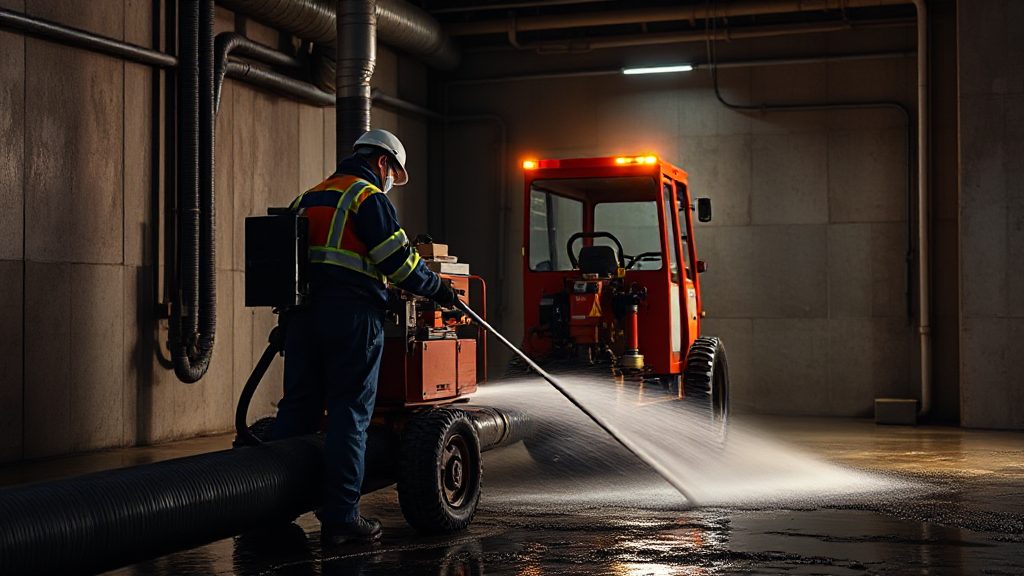
It can be, but pressure must match the pipe material and condition. Tell the technician about any known fragile sections, previous repairs or clay and cast-iron lines so the method and pressure are adjusted before work starts.